UNGA Liquidity Crisis
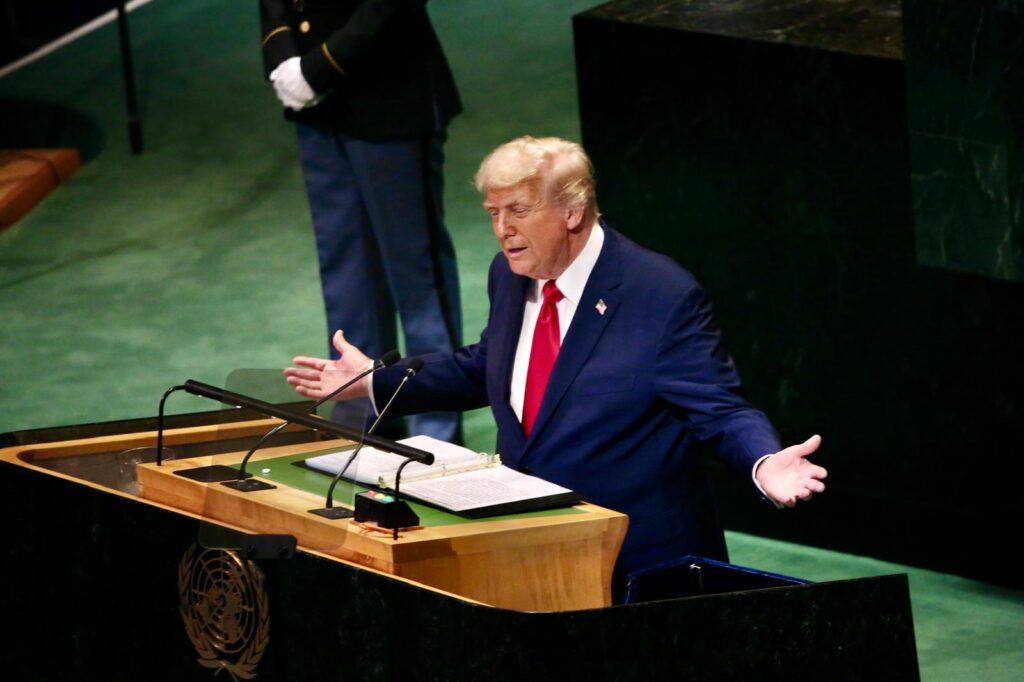
The most conspicuous debtor member nations at the UN are China and the US, the world’s two geoeconomically-dominant and wealthiest nations.
The cost of UN membership is determined by a formula for assessed contributions, which is based on a member state’s national income, with a minimum of 0.001% and a maximum of 22% of the regular budget. In addition to mandatory contributions for the regular budget and peacekeeping operations, countries also provide voluntary contributions to UN agencies, funds, and programs, which are not mandatory and are often made through government aid.
Doubtless, China pays its UN dues but often very late, contributing to the UN’s ongoing funding crisis, according to multiple reports from September 2025. While China has historically paid its assessed contributions in full for the regular UN budget and peacekeeping operations, the payments are frequently made near the end of the year, sometimes as late as December 27th, which impacts the UN’s financial liquidity.
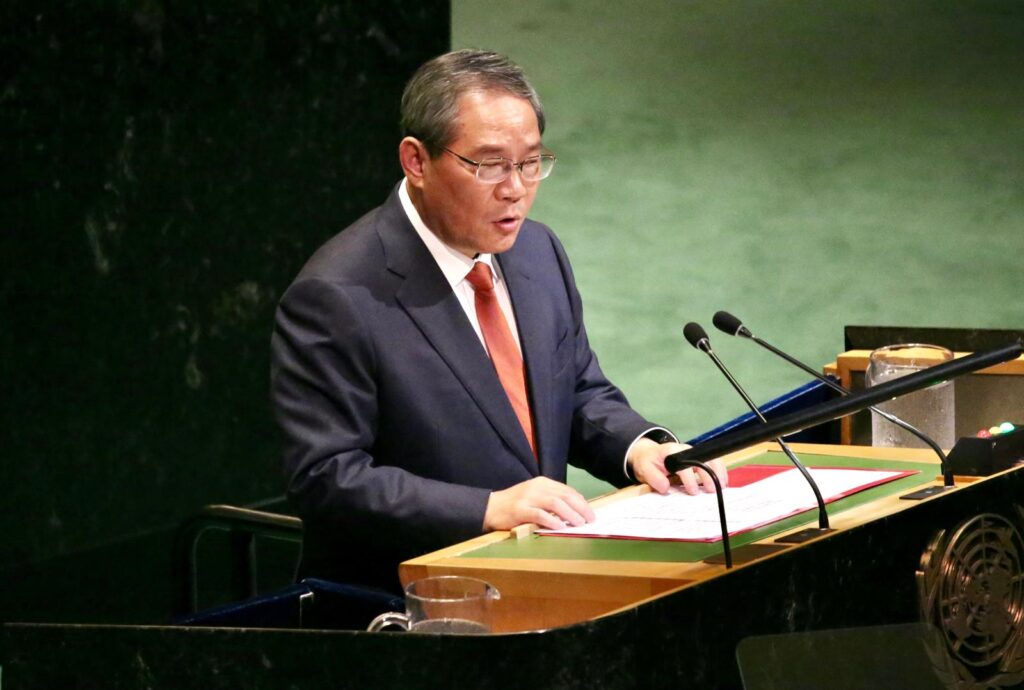
In 2024, China’s final installment of its $480 million contribution to the UN regular budget was paid on December 27, just days before the year ended.
No, the US has not fully paid its outstanding dues to the United Nations either, at the latest count owing over $3 billion, including arrears for the 2025 regular budget and past peacekeeping commitments. The U.S. stopped paying bills under the Trump administration, and outstanding amounts include the second half of the 2024 regular budget, the first half of the 2025 regular budget, and unpaid peacekeeping dues.
This in addition to $826 million for the 2025 regular budget assessment, plus unpaid portions of the 2024 budget and peacekeeping arrears. The US financial delinquency has reached a level that conceivably could lead to the US losing its vote in the UN General Assembly under Article 19 of the UN Charter, which penalizes members whose arrears equal or exceed the contributions for the preceding two full years.
For Donald Trump and his ‘US First Agenda’, not paying the total $3B that the US is in arrears reflects a major objective, justifying that status as being the UN’s host nation, which could easily pull the ‘Manhattan Plug’ on the UN’s special status in New York, and thereby boot the organization offshore — the costs of such a forced translocation essentially terminating the UN’s viable economic existence in its present form.
The fear of that potential to the UN and its membership prevents the body from challenging the US and Donald Trump. Hence, the ability of the President to dismiss the organization in its face from the lectern at the General Assembly, describing it as full of empty words, and heaping countless sources of blame on the UN and its member states, calling them useless, stupid and reckless, and not living up to their potential. For over an hour, Trump continued his invective to characterize UN member states as being all but ruined.
In lieu of the costly, multilateral, globalist UN trainwreck, Trump offered his bold and presumably-invincible vision of a planet ruled by the most powerful, unilaterally-sovereign nations who would — in his words — abolish migration, invalidate disproven bogus climate science, end unendable wars, and terminate the free right to immigration on a global basis.
In essence, almost coming across as a 21st century ‘Inverse Lenin’, Trump presented the ‘New Direction’ of a “Rightist Internationale” organized around a supreme US Megapower intent on wielding its unstoppable military power in search of what Trump characterized as the alternative to a world led by the UN and multilateral organizations.
With Trump’s remarks following shortly after those of Brazilian President Luis Inácio Lula da Silva, who opened the UNGA just before Trump spoke, the real target of Trump’s dollar-driven invective were in fact the only potential long-term geo-economic foes that stand in the pathway of a US Renaissance — the BRICS and Shanghai Alliances — ironically also multinational in their design and presenting an alternative global environment where Brazil and China would call the shots at the expense of the Stars and Stripes.
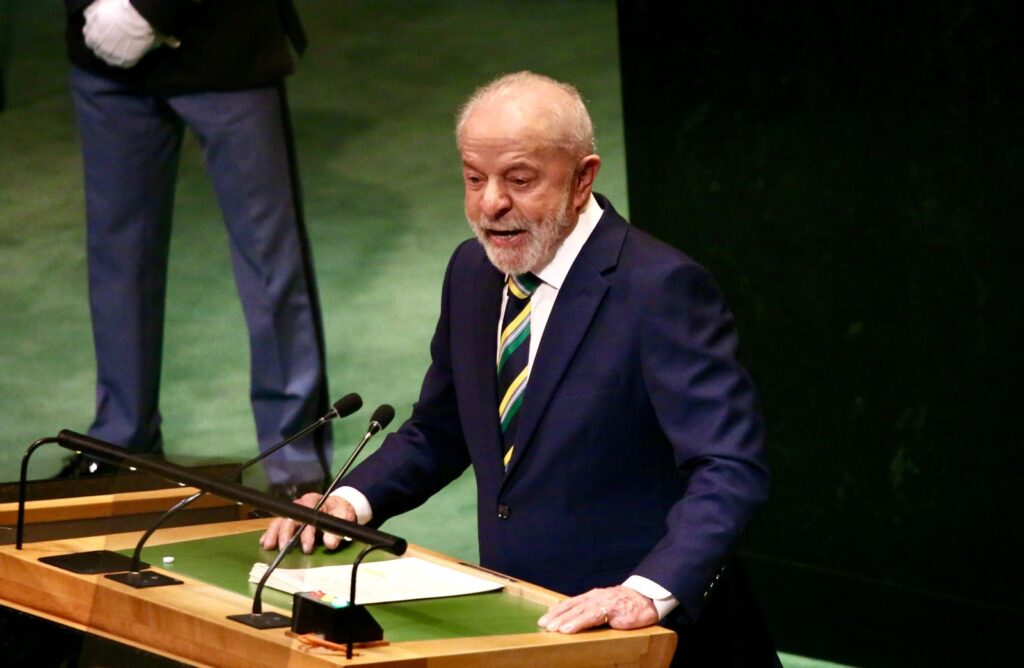
With those stakes laid down on the Casino Royale Poker Table, how can Trump’s political elixir sound all that bad ?
Therein lies the danger of a global autocracy offering a ‘bon-bon‘ to the world’s masses.
Dr Roger Hanwehr
Julia Mineeva
Co-Published:
© Sep 29, 2025
Thenews2 (New York, São Paulo)
EGBN News (Paris, New York, Berlin, Vienna)